Bearish Marubozu Candle: Strong Bearish Signal
The Bearish Marubozu candle is a powerful bearish signal, often indicating reversal or continuation of a downtrend. Learn how to identify, trade it, and avoid common mistakes.
Mark · Trader & Founder, Social Forex
What Is a Bearish Marubozu Candle?
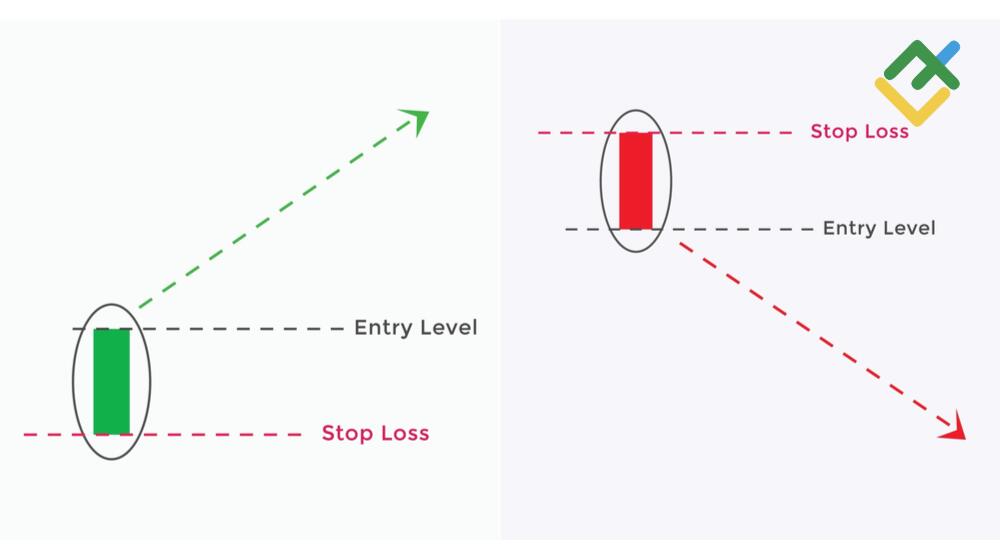
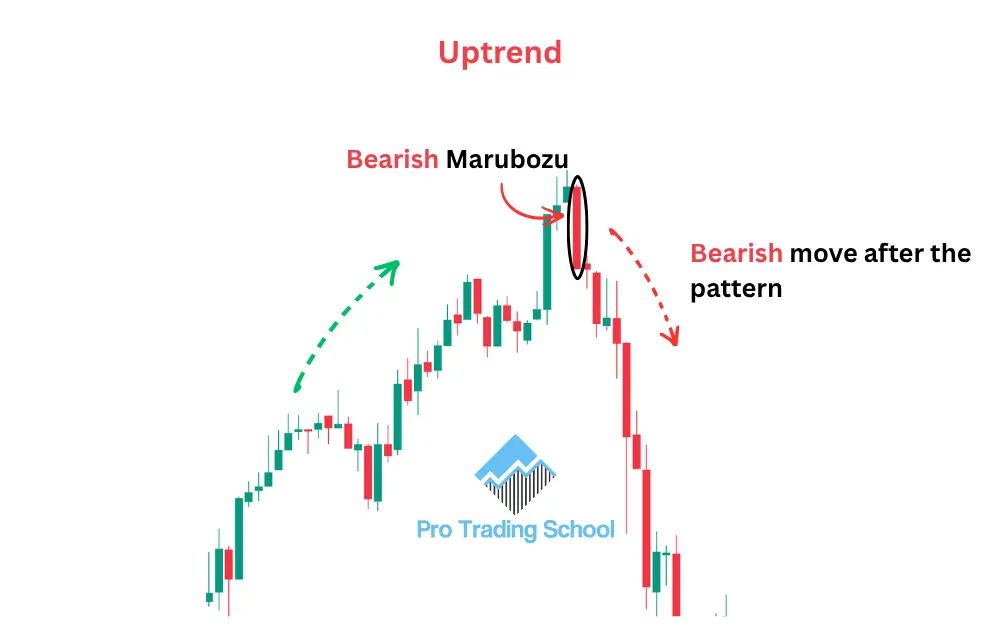
A Bearish Marubozu is a long red (or black) candlestick with no or very tiny wicks (shadows). It opens at or very near the high of the session and closes at or very near the low. This shows that sellers dominated the entire session, applying intense downward pressure. The candle signals a strong bearish continuation in a downtrend, or a potential reversal from an uptrend to a downtrend.
How to Identify a Bearish Marubozu
Look for these key features:
- A long red/black body.
- Upper and lower wicks are either nonexistent or extremely short.
- The opening price is near the candle’s high, the closing price near its low.
- It often appears at the top of an uptrend (reversal signal) or within a downtrend (continuation signal).
How to Trade the Bearish Marubozu
- If it appears after an uptrend: It suggests a strong bearish reversal. Prepare to sell.
- Wait for confirmation: Don’t enter immediately. Wait for the next candle to close bearish, or use volume analysis – a spike in volume adds reliability.
- Entry: Sell at the candle’s close, or wait for a minor pullback toward the opening price.
- Stop loss: Place it a few pips above the highest point of the Marubozu candle.
- Take profit: Target a risk-reward ratio of at least 1:2, or use nearby support levels.
Real-World Example
On the EUR/USD H4 chart, after a sustained uptrend, a large Bearish Marubozu appears with no wicks. The next candle drops sharply. A trader sells at the close of 1.1050, places a stop loss at 1.1100 (above the high), and takes profit at 1.0950 (nearest support). The 2:1 reward-to-risk trade is successful.
Common Mistakes to Avoid
- Trading without confirmation: Entering a sell just because you see the candle can be dangerous if the market whipsaws.
- Stop loss too tight: Placing it too close to the candle’s high often gets hit by normal noise before the big move.
- Ignoring market context: The signal is far more reliable when the candle appears at overbought conditions or strong resistance.
- Poor money management: Never risk too much on a single candle pattern; always follow your risk rules.
Content is for reference only, not investment advice. Forex trading carries high risk.
Save your learning progress
Create an account to keep lessons, watchlist symbols, and journal notes connected as you practice.